Saturday, 1 August 2020

Secret ponds in Smolnica

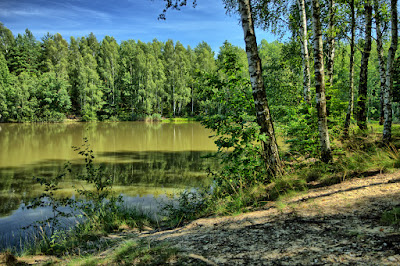
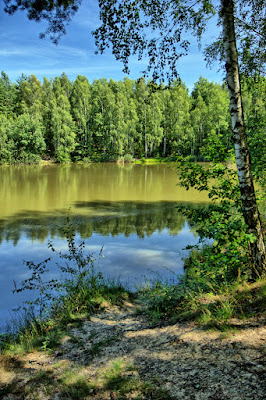
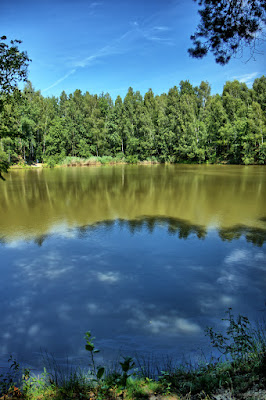
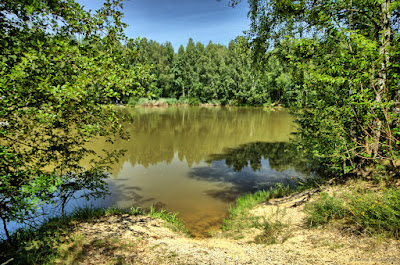
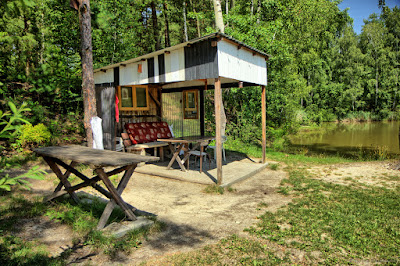
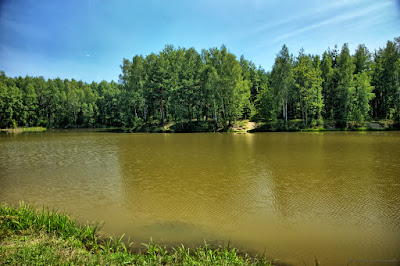
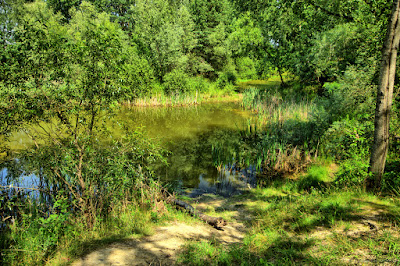
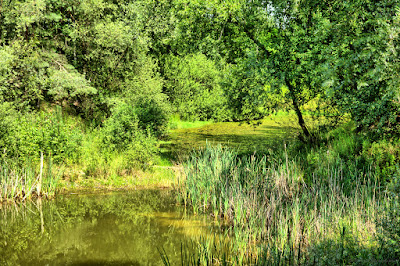
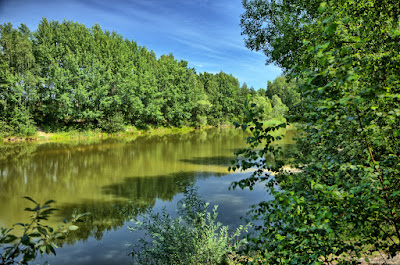
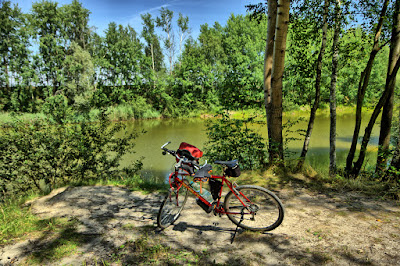
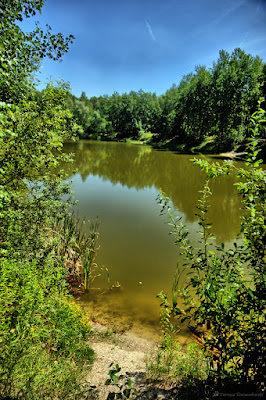
There are two ponds in Smolnica, invisible from the main road. Ponds hidden among trees are a good place to hide from the noise of the city. There are not many people here, usually only calm, patient, and quiet anglers. 

Smolnica - Pond Toń
Smolnica - Pond Toń

Smolnica - Pond Toń
Smolnica - Pond Toń

Smolnica - Pond Toń
Smolnica - Pond Toń

Smolnica - Pond Toń
Smolnica - Pond Toń

Smolnica - Pond Toń
Smolnica - Pond Toń

Smolnica - Pond Toń
Smolnica - Pond Toń

Smolnica - Pond Toń
Smolnica - Pond Toń

Smolnica - Pond Toń
Smolnica - Pond Toń

Smolnica - Pond Toń
Smolnica - Pond Toń

Smolnica - Pond Toń
Smolnica - Pond Toń

Smolnica - Pond Toń
Smolnica - Pond Toń

Smolnica - Pond Toń
Smolnica - Pond Toń

Smolnica - Pond Toń
Smolnica - Pond Toń

Smolnica - Pond Toń
Smolnica - Pond Toń

Smolnica - Pond Toń
Smolnica - Pond Toń

Smolnica - Pond Słoneczny

Smolnica - Pond Słoneczny

Smolnica - Pond Słoneczny

Smolnica - Pond Słoneczny

Smolnica - Pond Słoneczny

Smolnica - Pond Słoneczny

Smolnica - Pond Słoneczny

Location:

Smolnica

As the name suggests, Smolnica was a village traditionally inhabited by coal workers and tar makers. The first mention of the village comes from the beginning of the 13th century. 

It is not known when the first church was built in Smolnica, nor where it was located. The present church of St. Bartholomew was founded at the very beginning of the 17th century as a Lutheran church. The present church of Saint Bartholomew comes from the years 1776-77. Later it was renovated in the years 1905-1906 and 1937-38. Pinewood was used for its construction. 

Smolnica - Roman Catholic Church of Saint Bartholomew the Apostle

Smolnica - Roman Catholic Church of Saint Bartholomew the Apostle

Smolnica - Roman Catholic Church of Saint Bartholomew the Apostle

Smolnica - Roman Catholic Church of Saint Bartholomew the Apostle

Smolnica - Roman Catholic Church of Saint Bartholomew the Apostle


Location:

Żernica

On a small hill in Żernica, where the local stronghold supposedly used to be in the Middle Ages, a wooden church of Saint Michael the Archangel is visible among old trees. Based on the recent dendrochronological research, the final date for the construction of the temple was set for 1661. The unique value of the temple is also evidenced by the entry on the Wooden Architecture Trail in the Silesian Voivodeship.

Żernica - The Roman Catholic Parish of St. Michael the Archangel

Żernica - The Roman Catholic Parish of St. Michael the Archangel

Żernica - The Roman Catholic Parish of St. Michael the Archangel

Żernica - The Roman Catholic Parish of St. Michael the Archangel

Żernica - The Roman Catholic Parish of St. Michael the Archangel

Żernica - The Roman Catholic Parish of St. Michael the Archangel

Żernica - The Roman Catholic Parish of St. Michael the Archangel

Żernica - The Roman Catholic Parish of St. Michael the Archangel

Żernica - The Roman Catholic Parish of St. Michael the Archangel


After the war, the wooden church deteriorated and became too small, the inhabitants were forced to build a substitute church. On September 27, 1970, the Bishop of Opole, Franciszek Jop, consecrated the new church of the Exaltation of the Holy Cross.

Żernica - Roman Catholic Church of Exaltation of the Holy Cross

Żernica - Roman Catholic Church of Exaltation of the Holy Cross

Żernica - Roman Catholic Church of Exaltation of the Holy Cross

Żernica - Roman Catholic Church of Exaltation of the Holy Cross

Żernica - Roman Catholic Church of Exaltation of the Holy Cross


The "God's Passion" stone cross is located at the stairs leading to the church. It was built in the mid-nineteenth century.


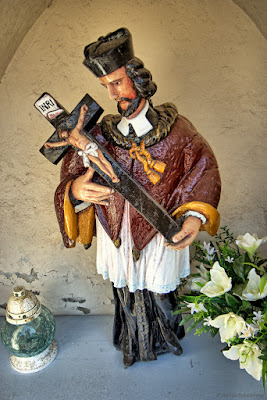
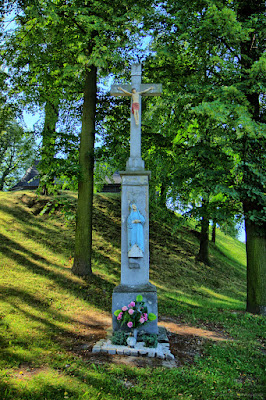
In the center of the village in close proximity to the wooden church, there is a different than the usual chapel of St. John of Nepomuk. The building is made of brick, plastered, covered with a semicircular roof. The entrance to the chapel is finished with an oval arch and it is closed with a decorative grille. Inside the chapel, a figure of St. John of Nepomuk, which dates back to the mid-nineteenth century. The figure is made in the folk style. The saint is holding a large crucifix.

 
Żernica -  The Chapel of St. John of Nepomuk
Żernica -  The Chapel of St. John of Nepomuk
Żernica -  The Chapel of St. John of Nepomuk
Żernica -  The Chapel of St. John of Nepomuk
Żernica -  The Chapel of St. John of Nepomuk
Żernica -  The Chapel of St. John of Nepomuk


Location:
Sunday, 19 July 2020

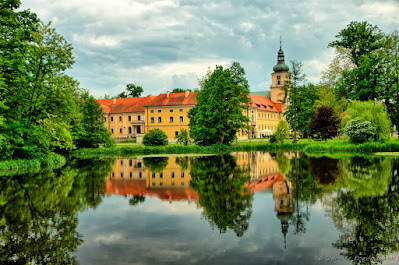
The Post-Cisterian Monastery Complex in Rudy Raciborskie

The Cistercians were brought to Poland in the middle of the 12th century. One of the first places they chose was Jędrzejów in Lesser Poland. And from there they ended up in the Ruda River valley. In 1252, they started building monastic buildings.

At the beginning of the 19th century, the monastery was taken over by the Prussian state, and later it was taken over by the Hohenlohe-Waldenburg-Schillingfürst family. They transformed the palace and planned the park.

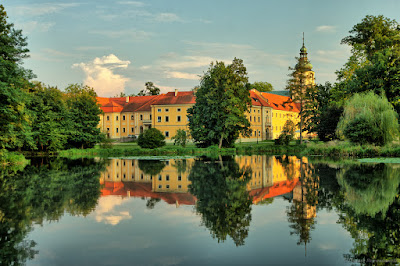
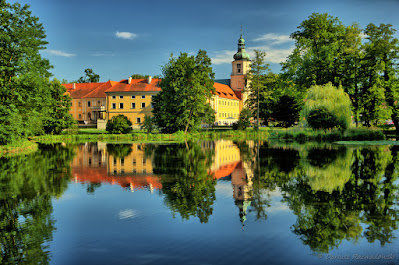
Currently, the monastery and palace complex consists of a basilica, medieval monastery buildings, and a baroque palace.


The Post-Cisterian Monastery Complex in Rudy Raciborskie

The Post-Cisterian Monastery Complex in Rudy Raciborskie

The Post-Cisterian Monastery Complex in Rudy Raciborskie

The Post-Cisterian Monastery Complex in Rudy Raciborskie


Location: